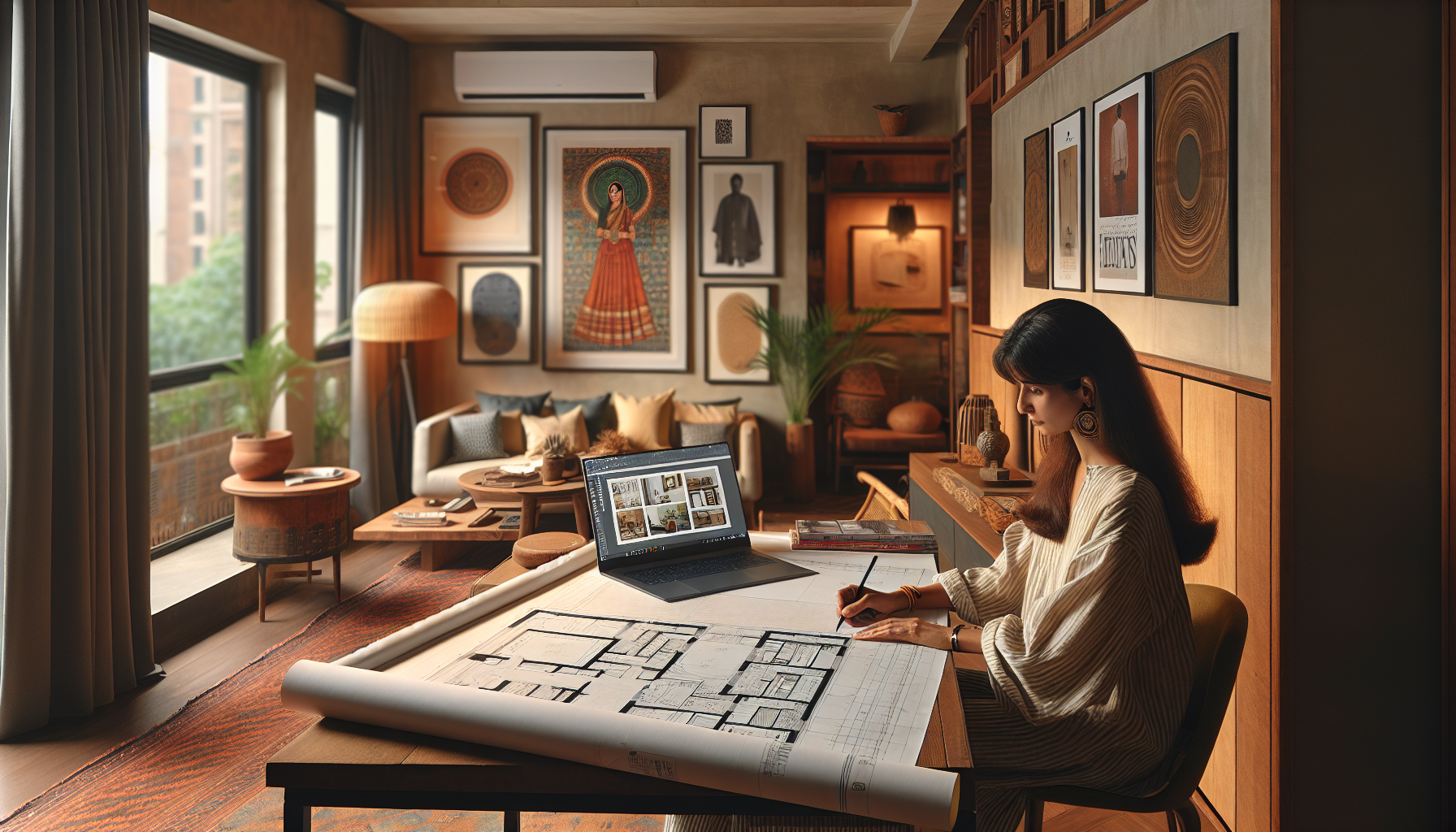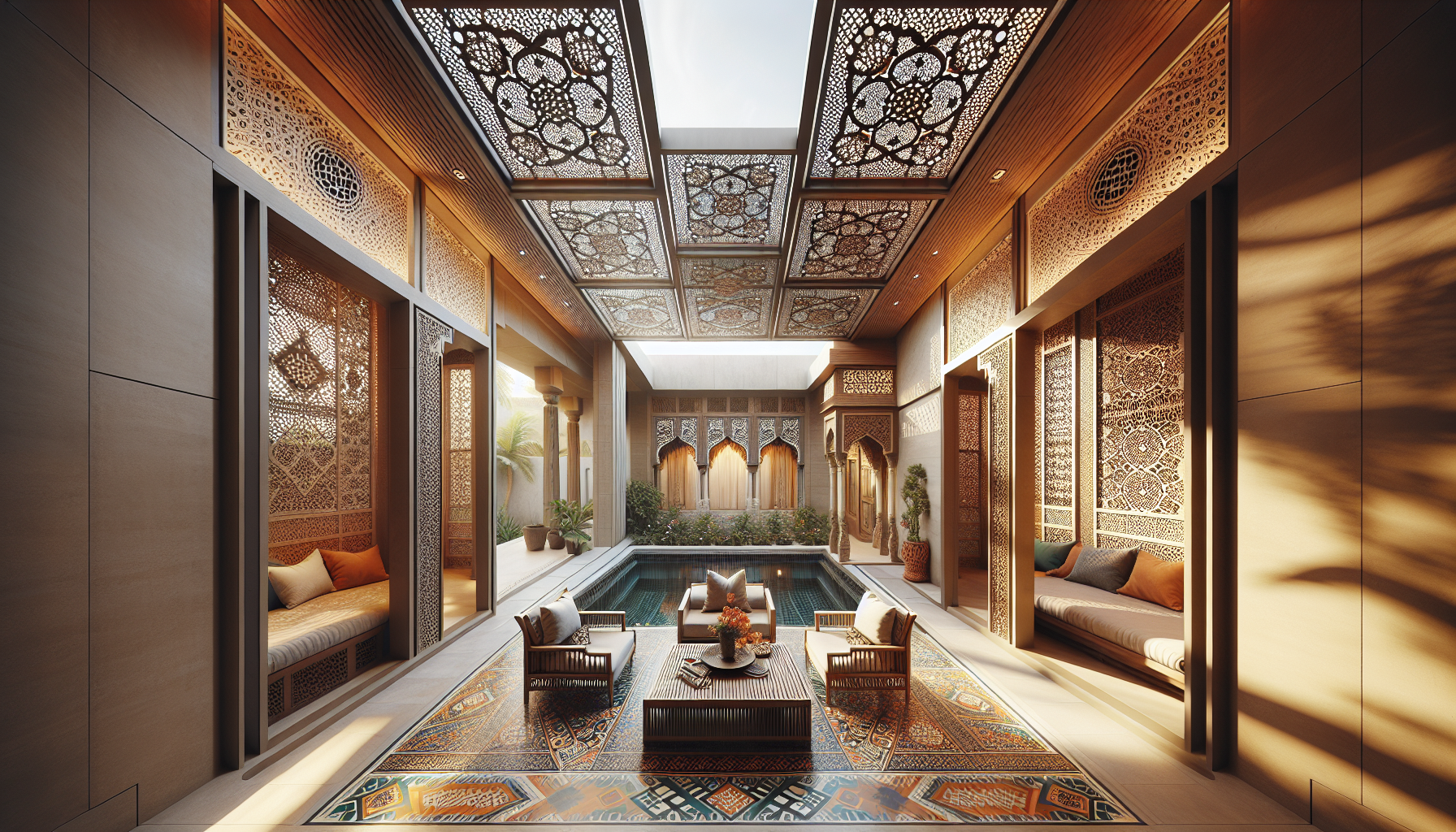
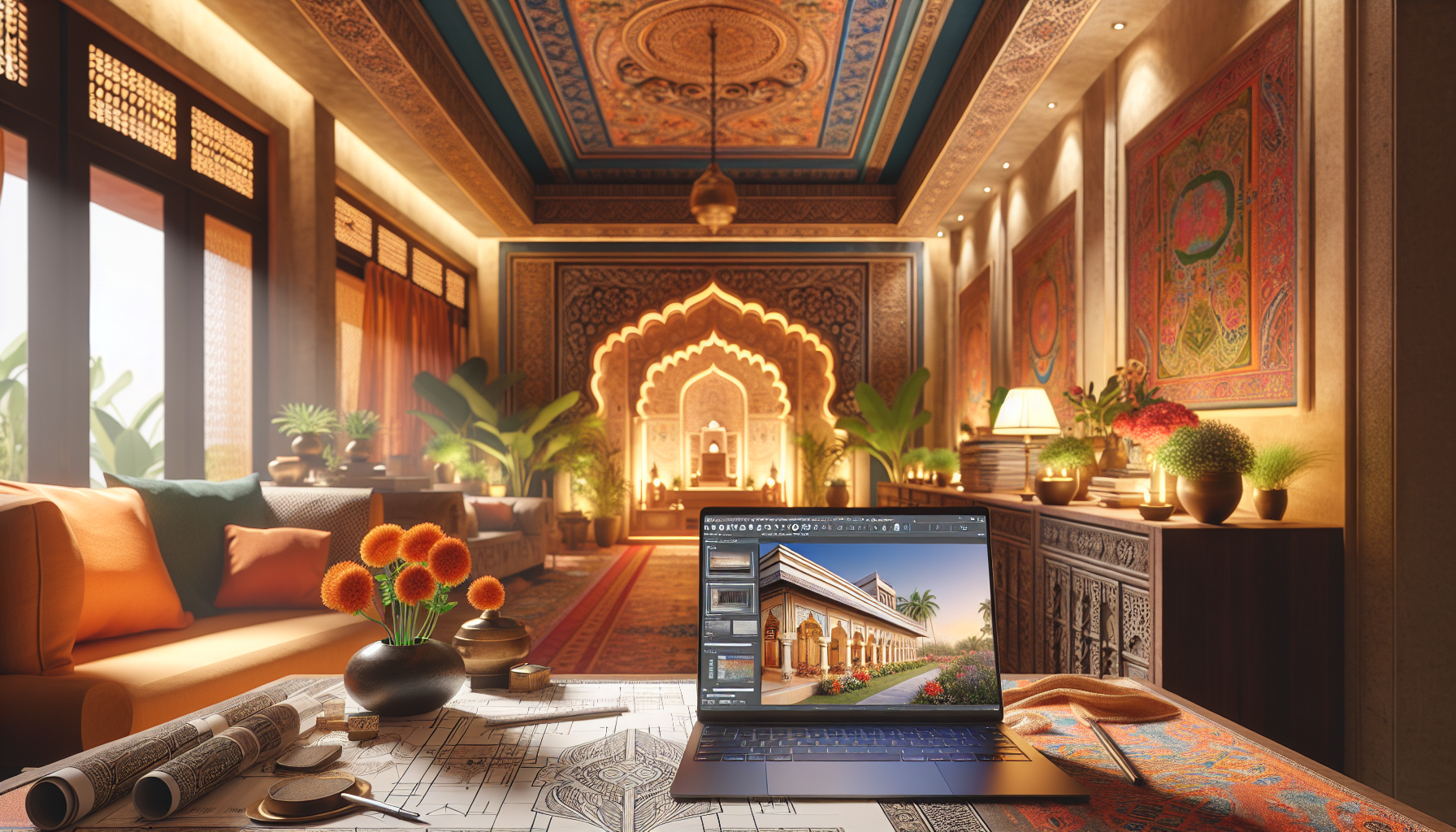
As the sun dips below the horizon, casting a warm glow over the bustling streets of Bangalore, the scene inside a chic design studio on Church Street is one of anticipation and creativity. Aarav, a young and talented architect, is preparing to present his latest project to a tech entrepreneur client. The brief: a modern villa infused with traditional Indian elements. Aarav opens his laptop, unveiling stunning 3D renderings of the proposed house. Intricate jaali screens and vibrant Athangudi tile patterns leap from the screen, capturing the client's imagination. This is the transformative power of 3D rendering—it's not merely about presenting a building; it's about weaving a narrative that resonates deeply with the client's aspirations and emotions.
Bringing Dreams to Life
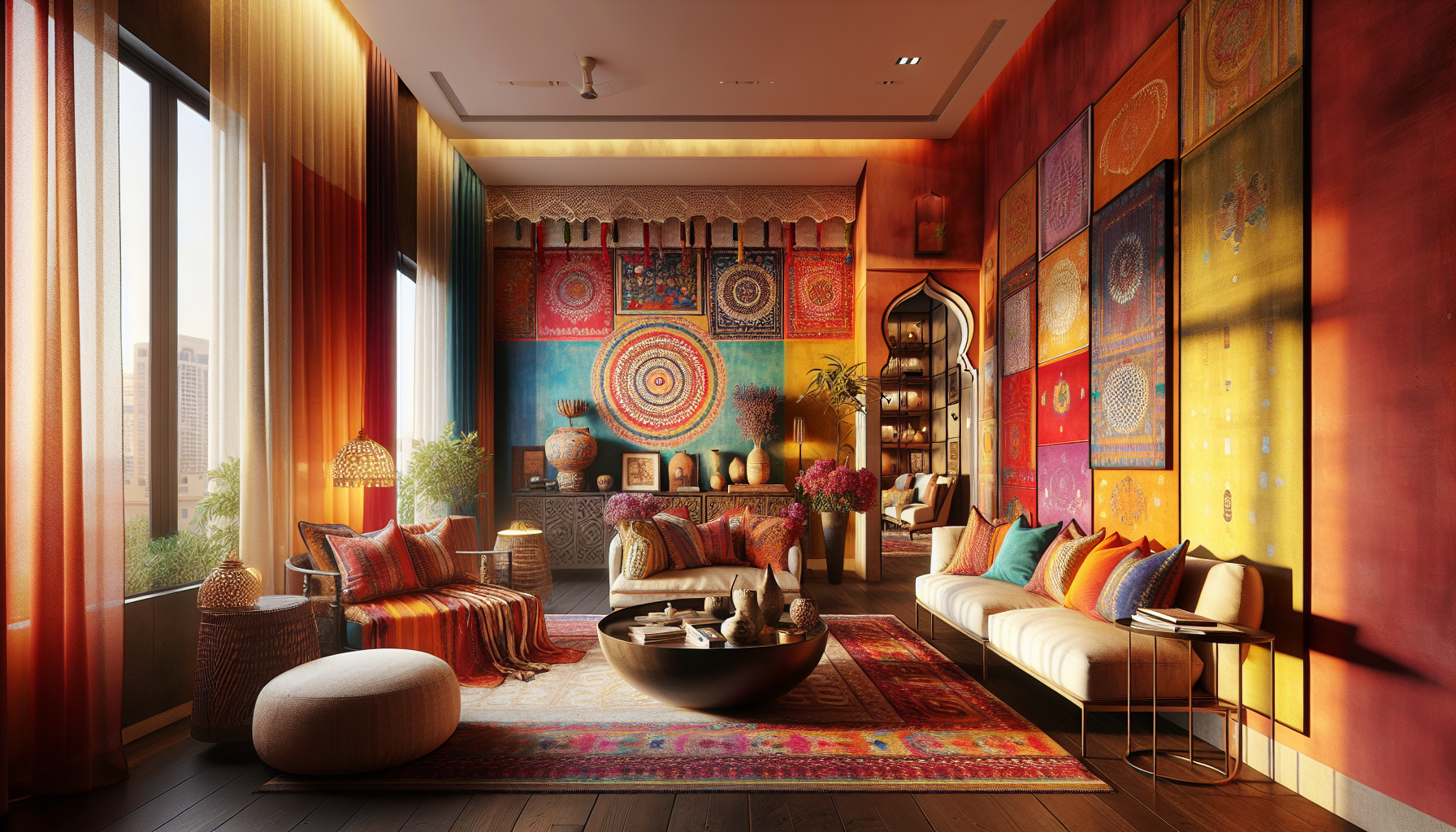
Across India, architects are harnessing the capabilities of 3D rendering tools to transform abstract ideas into vivid visual experiences. These tools are not just about creating structures; they are about crafting narratives that resonate with clients on a personal level. In Mumbai, for instance, where every square foot is precious, architects use rendering to maximize space creatively. A modest Mumbai apartment can be transformed into a vibrant haven, adorned with Rajasthani colors and textures. Software like SketchUp, priced at approximately ₹25,000 per year, enables architects to meticulously detail every corner, helping clients visualize the final outcome and eliminating any unwelcome surprises.
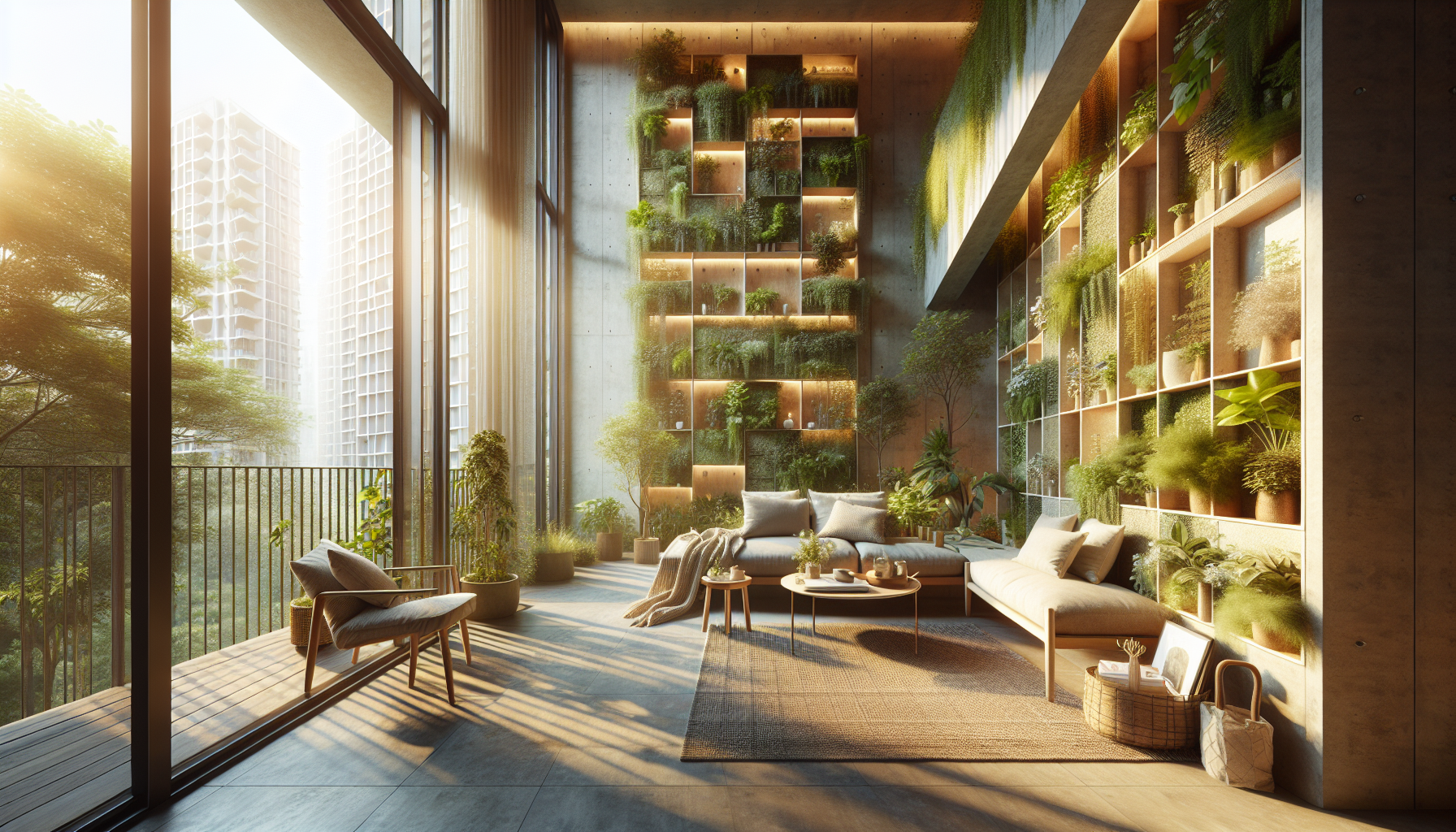
In cities like Pune, where blending modernity with nature is a common request, architects use 3D rendering to illustrate how green spaces and urban living can coexist. By integrating vertical gardens and natural light into their designs, they create sustainable living spaces that appeal to eco-conscious clients. The ability to visualize these elements in advance ensures that the final product aligns perfectly with the client's vision and lifestyle.
The Power of Visualization
Visualization is the cornerstone of modern architecture. Gone are the days when clients had to rely solely on blueprints and their imagination. Today, cutting-edge tools like AutoCAD and Revit have revolutionized the industry. These programs allow architects to create intricate 3D models that showcase not only the structure but also the ambiance of a space.
Consider a client in Delhi who dreams of a home that embodies the essence of a Mughal haveli. Through 3D rendering, architects can seamlessly integrate Mughal arches and Channapatna wood details into the design. The client can see precisely how these elements harmonize, making it easier to fall in love with the design. The result is a delighted client, eager to move forward with the project. For those interested in exploring these tools, AutoCAD is available for around ₹27,000 per year, while Revit can be accessed for approximately ₹1,20,000 per year.
Experimenting with Materials
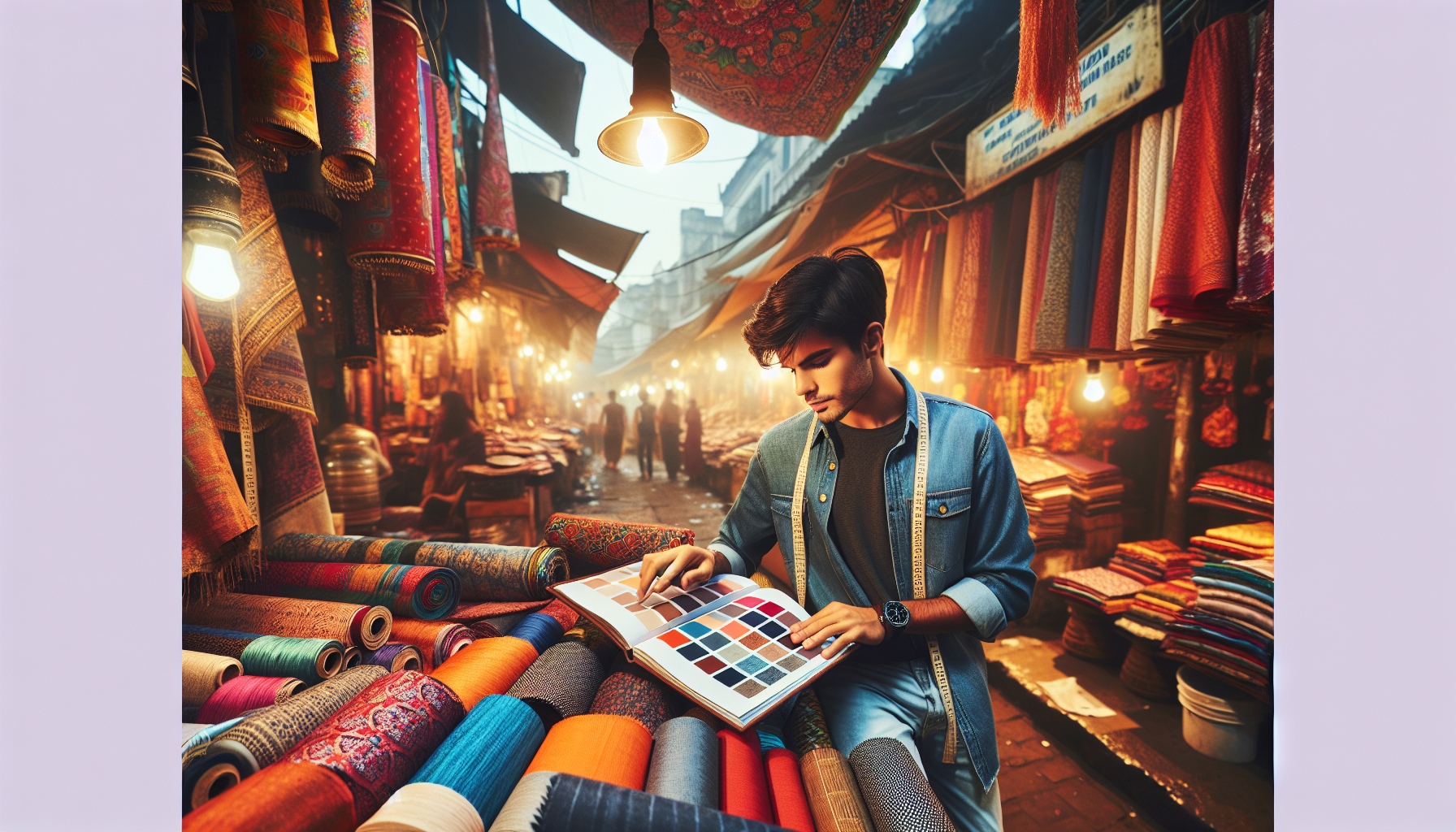
One of the most significant advantages of 3D rendering is the ability to experiment with various materials digitally, avoiding costly mistakes. In Chennai, where the climate demands durable materials, architects can simulate how Makrana marble or teakwood will appear under different lighting conditions. This digital experimentation allows for informed decisions, ensuring that the chosen materials align with both aesthetic and functional requirements.
For example, a 3D model might demonstrate how Banarasi silk curtains complement the earthy tones of a Kerala-style home. This visualization enables clients to see how different textures and colors work together, making informed choices that fit their vision and budget. An insider tip for those embarking on a similar journey is to use the Asian Paints' Colour Visualizer tool, which starts at ₹500. This tool allows clients to preview how different color palettes can transform their space before committing to a purchase.
Crafting Unique Spaces
Every client desires a space that reflects their unique personality and lifestyle. 3D rendering tools empower architects to design tailored spaces that resonate deeply with clients. In Hyderabad, a city where tradition meets modernity, architects might create a home that combines Bidri ware decor with contemporary design elements.
Imagine a minimalist living room adorned with a few Kondapalli toys. Suddenly, it becomes a playful homage to Andhra Pradesh's rich craft heritage. The rendering displays these elements in situ, allowing clients to make adjustments until the space feels just right. This collaborative process between architect and client results in spaces that are not only beautiful but also deeply personal.
For those looking to add a touch of local craftsmanship to their homes, Kondapalli toys can be purchased from local markets or online platforms like Amazon India, with prices starting at ₹300. Bidriware decor items, known for their exquisite metalwork, are available at specialty stores in Hyderabad, with prices ranging from ₹1,500 to ₹10,000, depending on the intricacy of the design.
Winning Over Clients with Precision
Precision is paramount in architecture, and 3D rendering tools deliver it in abundance. Gone are the days of vague sketches and misunderstood ideas. With programs like Lumion, architects can render realistic lighting and shadows, providing clients with a true sense of how their project will appear in real life.
Consider a client in Pune who desires a home with sustainable features. Architects can use rendering to demonstrate how solar panels will integrate seamlessly with the roof design. They can also illustrate how rainwater harvesting systems will work with the landscape. This level of detail not only reassures clients but also boosts their confidence in the architect's expertise.
For those interested in exploring sustainable design options, Lumion offers a range of packages, starting at ₹1,50,000, which provide architects with the tools needed to create stunning, environmentally-friendly spaces.
Final Thoughts
The world of architecture is undergoing a profound transformation, with 3D rendering tools leading the charge. These tools empower architects to craft vivid, personalized spaces that resonate with clients on a deep level. If you're planning a project, consider asking your architect for a 3D rendering. It's an investment in clarity and creativity that can make all the difference.
For those eager to see these tools in action, consider visiting a local design studio or attending architecture exhibitions in your city. These venues often showcase the latest advancements in 3D rendering technology, providing valuable insights and inspiration for your next project. As you explore the possibilities, you'll find yourself inspired and ready to bring your dream space to life.