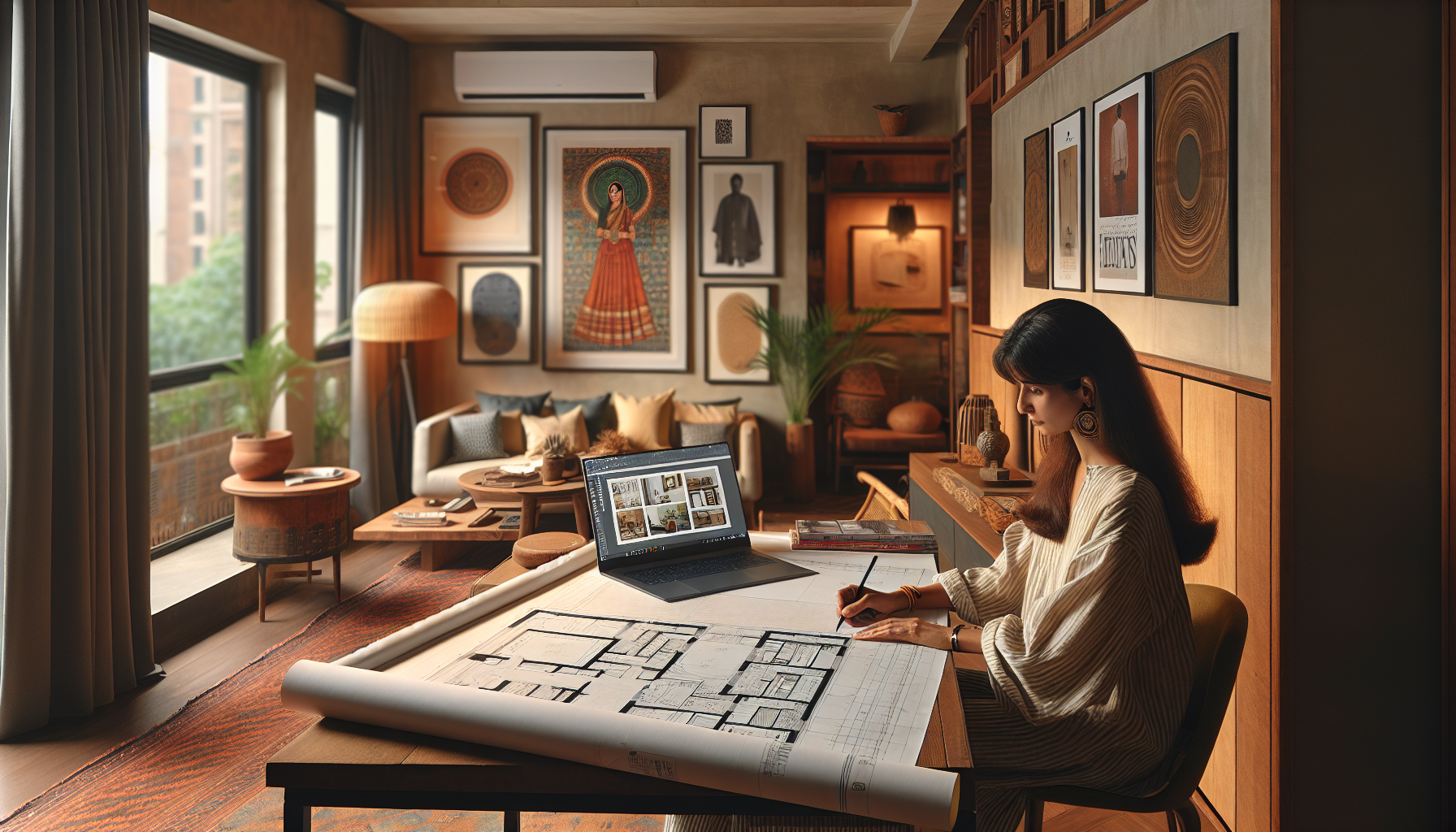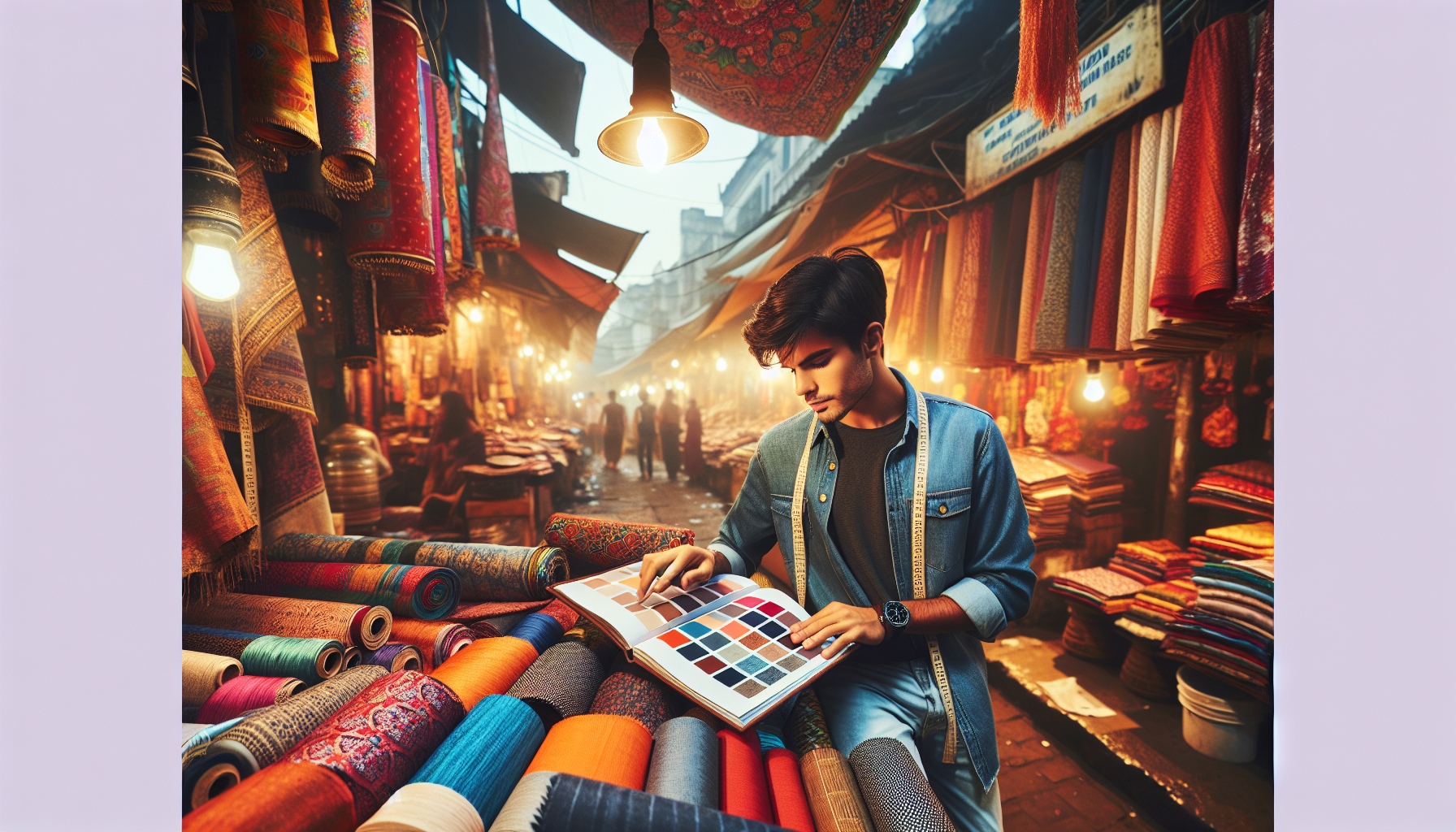
On a bustling Saturday morning in Mumbai's Crawford Market, the air is thick with the scent of fresh flowers mingling with the earthy aroma of spices. Amidst this lively scene, a young interior designer named Aditi flips through her swatch book under the warm glow of a street lamp. She is on a mission to find the perfect shade of blue to match her client's vision for a coastal-themed living room. As she matches colors, the vibrant chatter of shopkeepers and customers around her creates a symphony of inspiration. This is the reality of site visits for many Indian designers, where creativity meets the chaos of Indian markets. Aditi's toolkit, a blend of mood boards and material samples, is her secret weapon in turning concepts into reality.
Mood Boards: The Designer's First Love
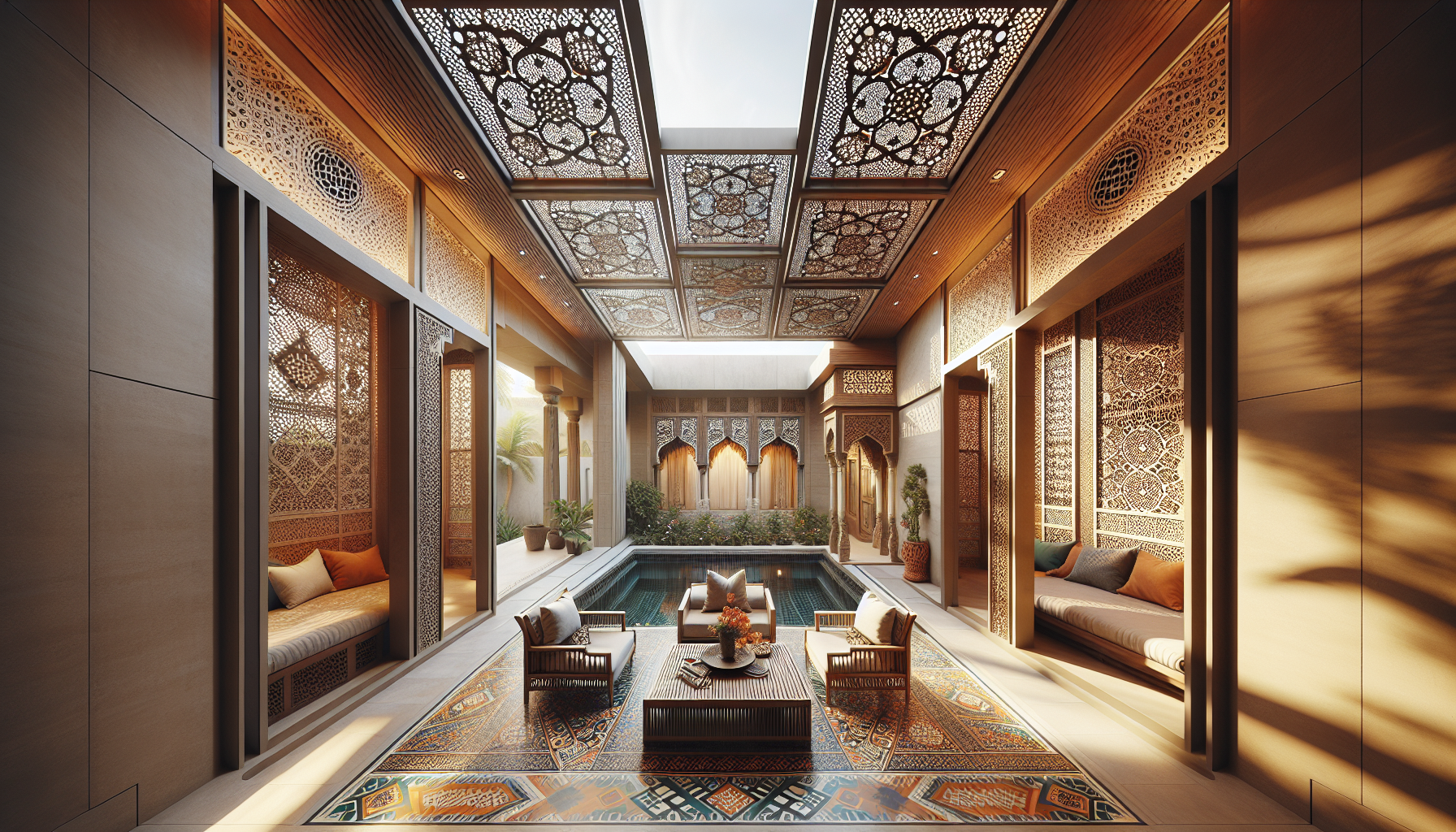
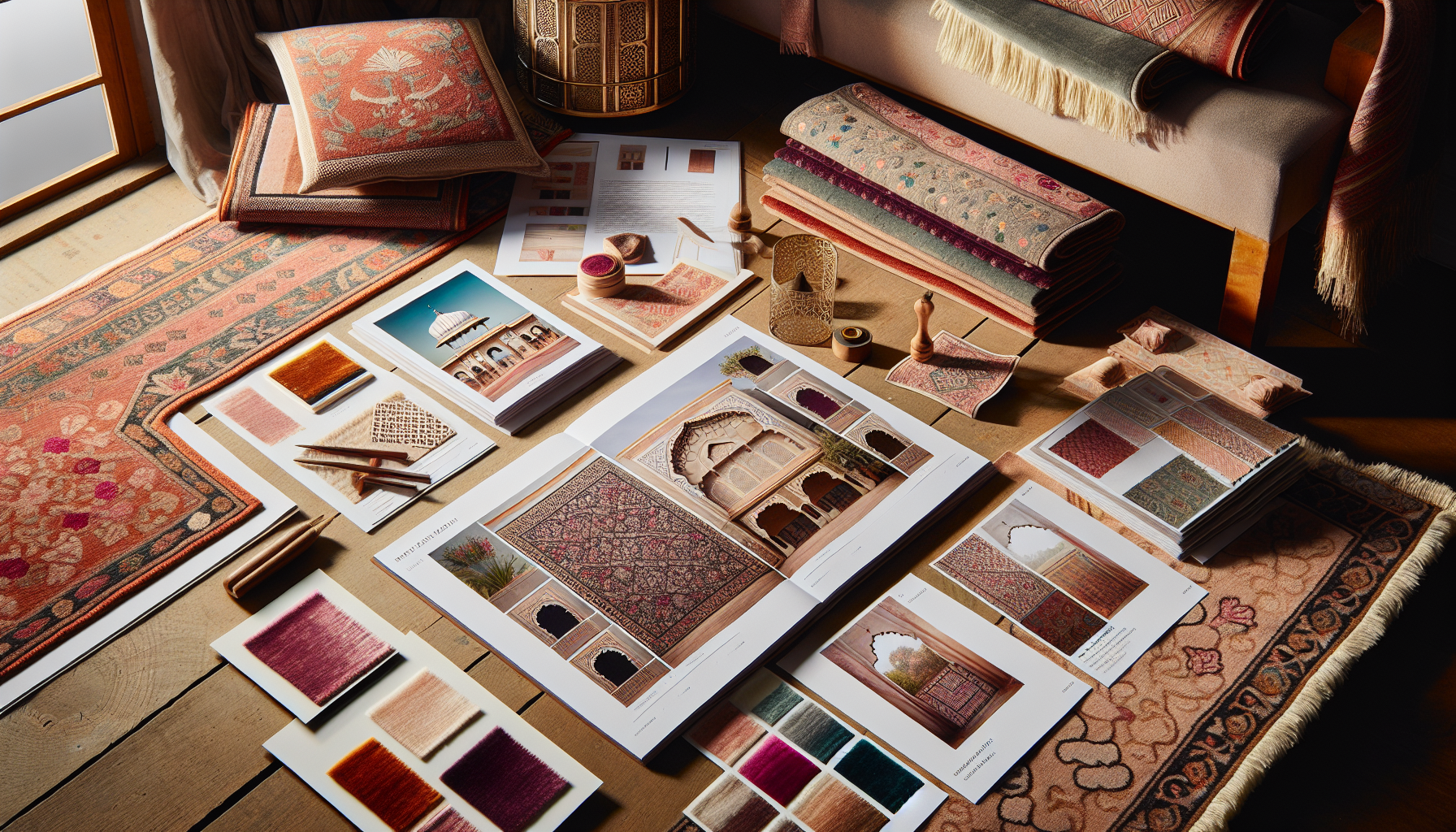
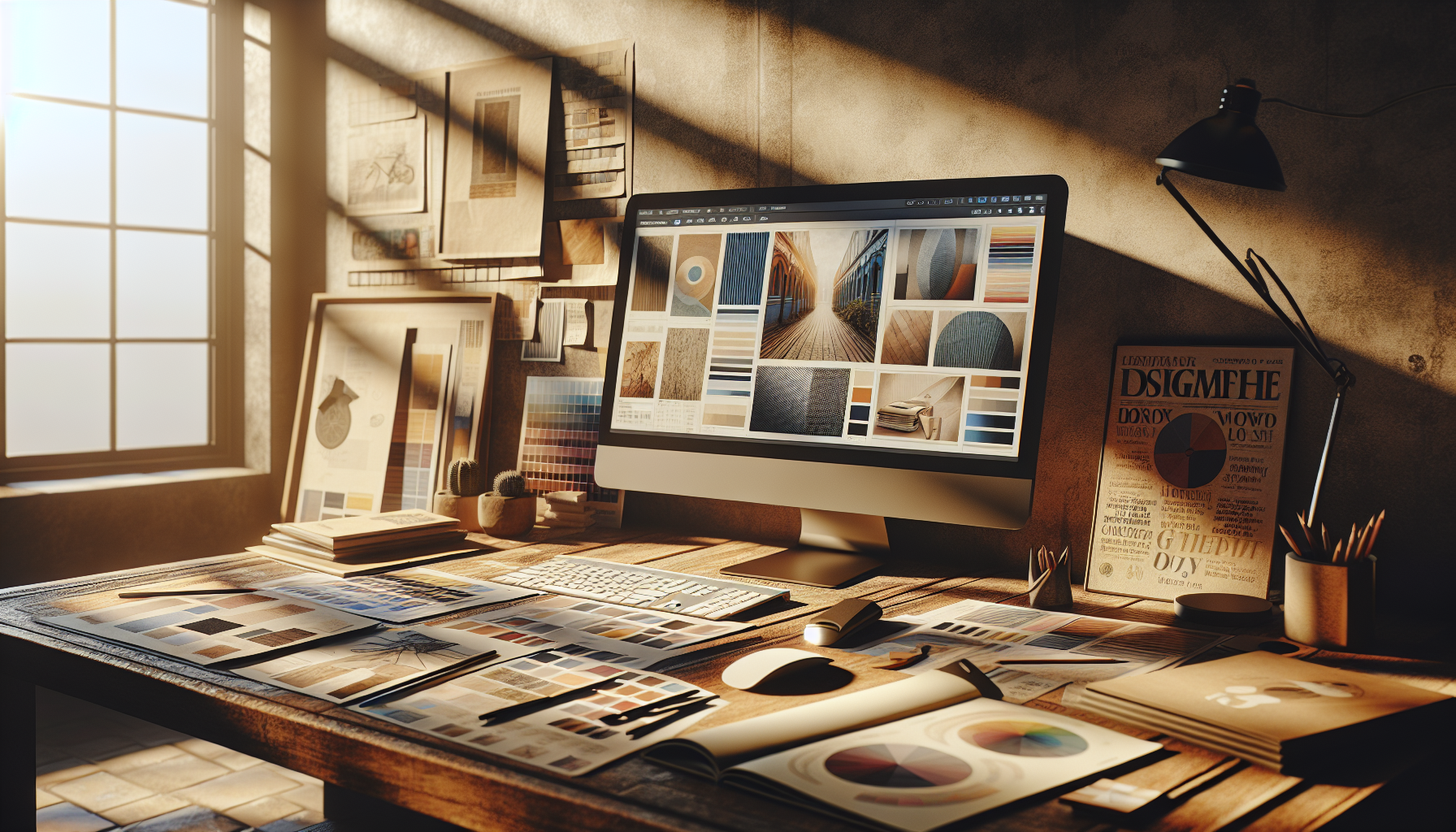
Mood boards are akin to a designer's diary, capturing the essence of a project before it even begins. They are the first step in translating a client's vague ideas into a visual story. For instance, a client in Delhi may want a living room reminiscent of Rajasthani palaces. A mood board would include images of vibrant Jaipur Rugs, intricate Rajasthani jaali work, and perhaps a swatch of lush velvet fabric. This collection of visuals helps guide the project's direction and ensures that everyone involved is on the same page.
Creating a mood board is an art in itself. It often begins with a visit to a local craft store like Itsy Bitsy, where you can find an array of textures and materials. A single visit can result in a collection of sheesham wood samples, silk fabric swatches, and color chips from Asian Paints — all for under ₹1,500. These elements, once laid out together, form a cohesive vision that captures both the client's desires and the designer's flair.
To enhance the mood board, designers often incorporate digital tools like Canva or Adobe Photoshop. These platforms offer templates and design elements that can elevate a mood board from a simple collage to a professional presentation. Subscription costs for these tools can range from ₹800 to ₹2,000 per month, but the investment is worthwhile for the added polish and professionalism they bring.
Material Samples: Touch and Feel
Once the mood board sets the tone, it's time to get hands-on with material samples. These are crucial for understanding how different elements will come together in a space. Imagine walking through the narrow lanes of Pune's Laxmi Road, where shops overflow with everything from Makrana marble tiles to Channapatna wooden toys. Here, a designer can touch, feel, and even smell the materials, making decisions grounded in reality rather than theory.
Material samples are not just about aesthetics; they are about practicality and longevity. A durable teak wood sample might be perfect for a dining table that withstands the hustle and bustle of family dinners. Or, a piece of Athangudi tile might be just what a kitchen backsplash needs to add character without compromising on durability. At approximately ₹250 per tile, these samples are an affordable way to ensure quality and style.
Quick Tip: Head to Shivaji Market in Pune after lunch. Vendors often offer discounts on textile samples around closing time — a great way to snag a deal on premium materials.
Designers should also consider sourcing materials from online platforms like Pepperfry or Fabindia. These sites offer a wide range of samples and materials, often with home delivery options. For instance, a set of four teak wood samples might cost around ₹1,000, and they can be delivered straight to your doorstep, saving time and effort.
Color Swatches: Bringing Ideas to Life
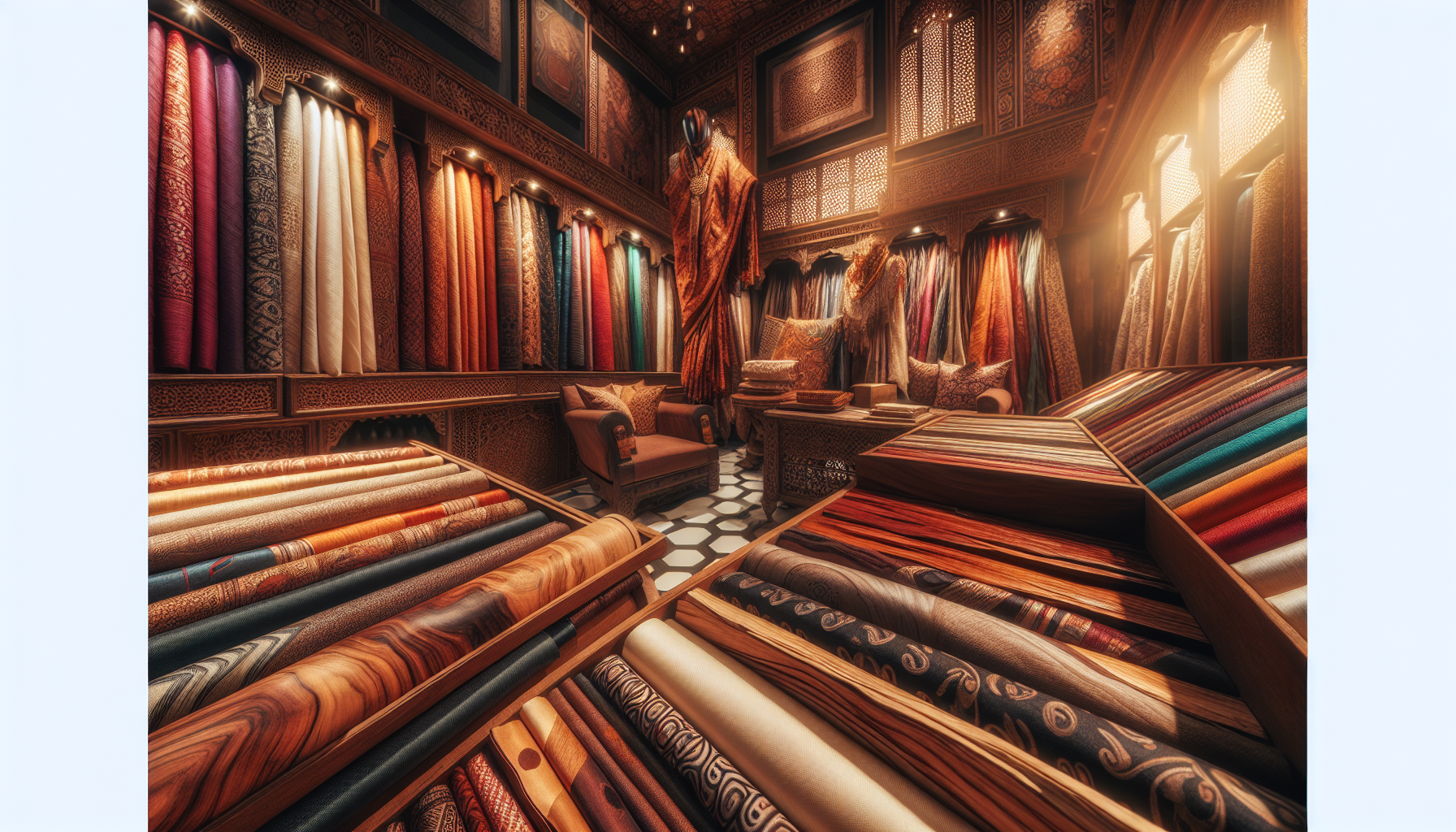
Color swatches serve as the bridge between imagination and reality. They allow designers to experiment with shades and create harmonious palettes. In the vibrant bazaars of Jaipur, you can find stalls dedicated to fabric dyes and paints. Here, designers often gather swatches of Banarasi silk or Kanjeevaram to see how colors change under different lights.
A swatch book from Asian Paints, costing around ₹500, is a staple in any designer's toolkit. It provides a wide array of hues to match any theme. For instance, an earthy terracotta for a Mediterranean-style kitchen or a soothing teal for a modern bedroom. These swatches are more than just color samples; they're a promise of what a space can become.
The transformation is striking. Picture a plain white bedroom wall. Add a coat of Asian Paints' "Calming Green" and a few strategically placed Jaipur Rugs, and suddenly, the room feels like a serene oasis. It's about creating a mood and an atmosphere that resonates with those who inhabit the space.
For a more tech-savvy approach, designers can use apps like Sherwin-Williams' ColorSnap Visualizer, which allows users to upload photos of a room and experiment with different paint colors virtually. This tool is free to use and can be a game-changer in visualizing the final look before any paint is applied.
Sketch Pads: From Concept to Creation
Sketch pads are where creativity meets structure. They allow designers to capture spur-of-the-moment ideas and refine them into workable plans. In the artistic corners of Kolkata's Gariahat Market, designers often find inspiration for their sketches, surrounded by stalls selling everything from Dhokra metal craft to Bidri ware.
With a trusty sketch pad, which costs about ₹300 at any stationary shop, a designer can quickly draft layouts, furniture arrangements, or even intricate jaali patterns. This is where the magic happens — where abstract ideas begin to take shape.
Sketching is also a vital communication tool. It helps convey ideas to clients who may not be able to visualize a space from descriptions alone. Whether it's a quick doodle of a Chettinad mansion-inspired archway or a detailed rendering of a modern sofa, sketches bridge the gap between vision and execution.
For those who prefer digital sketching, tablets like the Apple iPad Pro with an Apple Pencil can be a worthy investment. Although the initial cost is around ₹85,000, the ability to sketch, edit, and share designs digitally can streamline the design process significantly.
Measuring Tools: Precision in Design
Precision is key in interior design, and that's where measuring tools come in. A tape measure and laser measurer are indispensable for any site visit. In the crowded alleys of Bengaluru's Commercial Street, where space is often at a premium, accurate measurements can make or break a design.
A reliable tape measure, available for around ₹200, ensures that every piece of furniture fits perfectly. A laser measurer, priced at approximately ₹1,500, is perfect for large spaces or awkward angles. These tools help avoid costly mistakes and ensure that every element of the design fits together seamlessly.
Accurate measurements can transform a cramped room into a functional space. Consider a small Mumbai apartment. With precise measurements, a designer can fit a custom-built, foldable dining table that tucks away neatly — a perfect blend of style and practicality.
For larger projects, investing in a professional-grade laser measurer like the Bosch GLM 50C, which costs around ₹6,500, can provide enhanced accuracy and features like Bluetooth connectivity to sync measurements with design software.
Final Flourish: The Personal Touch
Every designer has a signature touch — a little something that sets their work apart. It could be a love for vintage finds from Chor Bazaar in Mumbai or a penchant for contemporary pieces from Urban Ladder. This personal touch adds character and authenticity to the design.
Adding a unique element doesn't have to be expensive. A beautiful Dhokra elephant picked up at a pop-up in Indiranagar for ₹1,200 can become a striking centerpiece. Or, a handwoven Kullu shawl draped over a sofa adds warmth and color without overwhelming the space.
For a truly personalized touch, consider commissioning local artisans to create custom pieces. A bespoke hand-painted mural from an artist in Jaipur might cost around ₹10,000, but it can transform a mundane wall into a work of art that tells a unique story.
CLOSING SECTION: The Journey from Concept to Reality
Designing a space is like embarking on an adventurous journey. Each step, from mood boards to material samples, brings you closer to creating a home that tells a story unique to its inhabitants. This weekend, why not gather your toolkit and explore a local market? Touch the fabrics, see the colors, and let inspiration strike. You may discover the perfect piece that brings your vision to life, transforming not just a room but the experience of those who live in it.