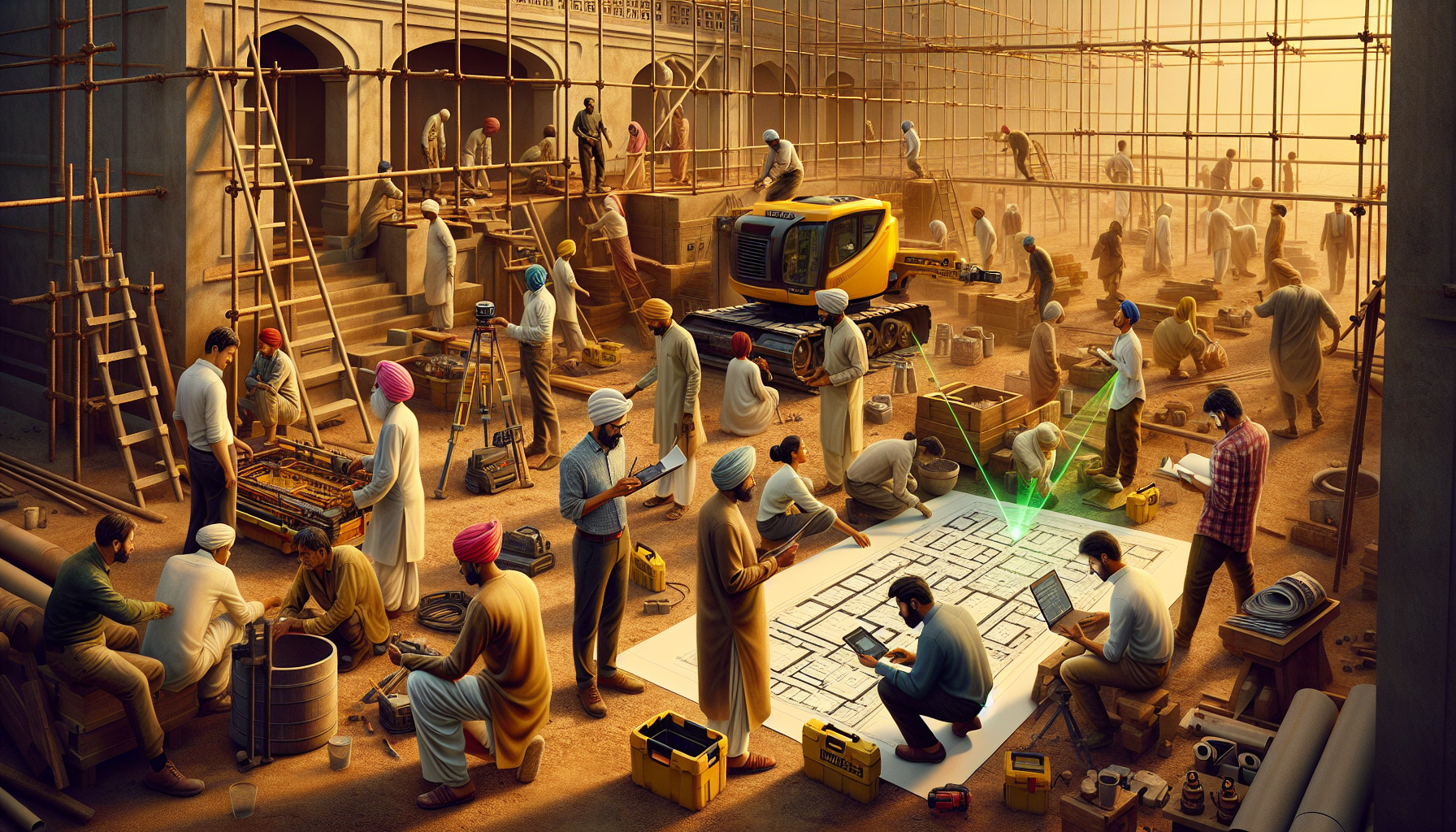
Standing on the edge of a bustling construction site in Noida, you can almost feel the energy in the air. The sharp clang of metal on metal, the earthy scent of wet cement, and the hum of activity as workers move with purpose. Amidst this organized chaos, a group of architects huddles over a set of blueprints, animatedly discussing the day's plan. In the middle of this scene, a young architect pulls out a sleek laser tool, its tiny red dot dancing across the foundation—a sign of the new meeting the old in the world of Indian construction. Welcome to the fascinating blend of traditional and modern tools that architects across India rely on every day.
The Classic Scale Ruler: An Architect's Constant Companion
The scale ruler is a mainstay in any architect's toolkit. Walk into any architecture firm's office in Mumbai, and you'll find these rulers scattered across drafting tables. They help convert the grand visions on paper into reality. Typically made from durable plastic or metal, these rulers come with multiple scales marked along their edges, allowing architects to translate drawings to real-life dimensions effortlessly.
In Bengaluru, at the bustling Avenue Road market, you can pick up a trusty Staedtler scale ruler for around ₹500. It's perfect for those long hours sketching out detailed plans. A personal favorite memory is watching an architect friend meticulously draw out the intricate patterns of a Chettinad mansion, the ruler gliding smoothly, bringing heritage to life on paper.
Quick Tip: For the best deals, visit Avenue Road during weekdays. Many vendors offer discounts if you buy in bulk.
Scale rulers are indispensable not just for precise measurements but also for the tactile feel they provide. Unlike digital tools, the satisfaction of tracing a design with your hand offers a connection to the craft that many architects cherish. Whether you're a seasoned professional or a student just starting out, investing in a top-quality scale ruler is a decision you won't regret.
In addition to the Staedtler, architects might also consider the Rotring 3-sided scale ruler, which offers additional versatility with its triangular design, priced at approximately ₹700. It provides an ergonomic grip, reducing fatigue during long drafting sessions. These rulers are not just tools but extensions of the architect's vision, allowing for creativity to flow seamlessly from mind to paper.
Measuring Tapes: More Than Just Lengths
Every architect knows that no matter how digital the world gets, a good old measuring tape is irreplaceable. In the heart of Delhi's Chandni Chowk, amidst the aroma of street food and the chatter of busy shoppers, you'll find shops that stock a variety of these tapes. The 5-meter Stanley PowerLock, priced at approximately ₹600, is a favorite among professionals for its durability and accuracy.
On a recent site visit in Pune, an architect used this very tape to measure out spaces for custom Athangudi tiles in a modern living room. The combination of traditional flooring with contemporary design was a testament to how versatile measuring tapes can be in executing creative ideas.
Measuring tapes also serve as a reality check. They ensure that what is on paper can actually fit into the designated space, preventing costly errors later on. With a tape in hand, you can easily verify dimensions and make on-the-spot adjustments, a crucial aspect of the architect's job that no app or software can replace.
For those looking for a measuring tape that offers a bit more, the Tajima H1560-25, available for ₹850, includes a magnetic hook and a standout of 3.5 meters, making it perfect for solo measurements in tricky spots. The robust build ensures it can withstand the rough and tumble of construction sites, making it a worthy addition to any toolkit.
Embracing Technology: The Rise of Laser Tools
Laser tools are the new kids on the block, revolutionizing how architects work on construction sites. Imagine standing in a sprawling plot in Hyderabad, sun setting over the Deccan Plateau, and using a Bosch GLM 50 laser distance measurer. Priced at around ₹7,000, this gadget provides readings with pinpoint accuracy, even in challenging terrains.
These tools are particularly useful for large-scale projects where traditional measuring methods fall short. During a recent project in Chennai, architects used laser tools to measure the dimensions of a sprawling courtyard home, ensuring every inch matched the design blueprint. The precision offered by laser tools ensures that the grandeur of such projects is realized without compromise.
Laser tools also save time and reduce the need for large teams on-site. With just a click, you can get readings in seconds, allowing architects to focus on the creative aspects of their projects. For those ready to embrace cutting-edge technology, laser tools are a worthy investment that will pay off in precision and efficiency.
Another option for those seeking advanced features is the Leica DISTO D2, priced at ₹10,500. This tool offers Bluetooth connectivity, enabling measurements to be transferred directly to design software, streamlining the workflow. It's an excellent choice for tech-savvy architects looking to integrate digital precision into their design process seamlessly.

Mixing the Old with the New: Combining Tools for Best Results
In the vibrant city of Jaipur, known for its rich architectural history, architects often blend the old with the new to achieve stunning results. Picture using a laser tool to measure a heritage haveli while a scale ruler helps refine the intricate carvings on paper. This blend of traditional and modern tools allows architects to respect the past while looking towards the future.
The perfect example of this synergy is seen in the renovation of old Goan Portuguese houses. Architects use measuring tapes to map out the existing structure, while scale rulers and laser tools ensure the new additions blend seamlessly. The result is a harmonious balance of old-world charm and modern functionality.
A visit to Johari Bazaar in Jaipur reveals many hidden gems, including unique artisan-made measuring tapes that add a touch of style to functionality. Priced around ₹400, these tapes are not just tools but conversation starters. It’s this ability to mix tradition with innovation that keeps Indian architecture vibrant and ever-evolving.
Incorporating both traditional and modern tools can lead to innovative solutions. For instance, architects working on the restoration of ancient temples in Tamil Nadu often use laser scanning technology to create precise 3D models, which are then refined with traditional tools for restoration work. This approach ensures that the cultural integrity of the structures is maintained while introducing modern efficiencies.
Choosing the Right Tool for Your Needs
Selecting the right tool boils down to understanding your project's specific needs. In bustling Kolkata, where space is often at a premium, architects lean towards compact tools that offer maximum utility. The Bosch GLM 20, for instance, is a compact laser measurer, perfect for tight urban spaces, available for around ₹4,500.
While technology offers convenience, don't underestimate the value of traditional tools. For projects steeped in cultural heritage, like those in Udaipur or Mysore, scale rulers and measuring tapes provide a tactile connection to traditions. This blend of tactile and digital tools ensures that no detail is overlooked, and every project is a masterpiece in its own right.
When shopping for these tools, it’s wise to try them out in-store. Many local markets, like Crawford Market in Mumbai, allow you to test products before purchasing. This hands-on approach ensures you choose tools that feel right in your hand, an important consideration for hours of work on-site.
For architects who frequently travel between sites, investing in a multi-tool like the Stanley 0-33-552, priced at ₹1,200, can be invaluable. This tool combines a measuring tape, level, and a small ruler, offering versatility and convenience in a compact package. It's perfect for quick checks and adjustments without needing to carry multiple tools.
Final Thoughts
In the world of architecture, tools are more than just instruments; they are extensions of the architect's vision. Whether it's the tactile reliability of a scale ruler or the high-tech precision of a laser tool, each has its place in the toolkit. Next time you're wandering through a market or browsing online, consider what you really need for your next project. Maybe start with a visit to your local market to feel the tools before you buy. The right tool can transform your work from good to extraordinary.
To further enhance your toolkit, consider attending workshops or trade shows, like the annual Indiawood in Bengaluru, where you can see the latest tools in action and get hands-on experience. These events are excellent opportunities to network with fellow professionals and discover new products that could revolutionize your approach to design and construction.