The Long Dark
In Stockholm, the December sun rises at 8:43 AM and sets at 2:48 PM. In Tromsø, Norway, it doesn't rise at all for two months. When darkness is the default condition for a significant portion of the year, the way a building captures, directs, and amplifies light becomes not a design preference but a survival strategy.
This is the context that shaped Scandinavian architecture's most distinctive quality: its obsession with light.
Windows as Architecture
In Nordic design, windows aren't mere openings in walls. They are the primary architectural gesture — carefully sized, positioned, and oriented to maximize every available photon of daylight.
Alvar Aalto's buildings are studies in this principle. His Paimio Sanatorium positions patient rooms to catch the low winter sun. His libraries use conical skylights to draw light deep into reading rooms. Every window is placed with the precision of a painter composing a canvas.
"Architecture is the masterly, correct, and magnificent play of masses brought together in light." — Le Corbusier
The White Interior
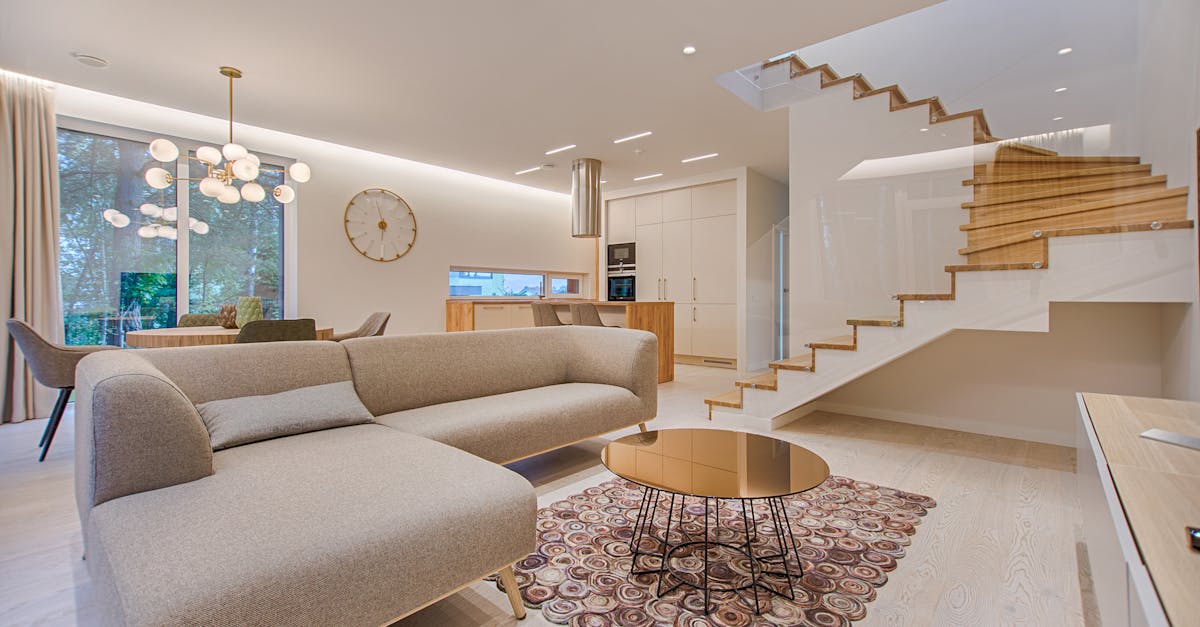
The Scandinavian preference for white walls isn't merely aesthetic — it's functional. White surfaces reflect up to 80% of incoming light, bouncing it deeper into rooms and creating an ambient luminosity that colored walls would absorb.
But Nordic white isn't the cold, bluish white of a fluorescent-lit office. It's a warm white — tinted with subtle yellow, pink, or gray undertones that soften the light and create a sense of comfort even in the darkest months.
Layered Lighting
When daylight fails — as it does, spectacularly, for months at a time — Scandinavian interiors rely on a carefully layered approach to artificial light:
- Ambient lighting from pendant fixtures at low wattage, creating a warm glow
- Task lighting from adjustable desk and floor lamps
- Accent lighting — candles, string lights, small table lamps — creating pools of warmth
- Firelight from the omnipresent fireplace or wood stove
The result is an interior that feels inhabited by light rather than illuminated by it. Each source creates its own atmosphere, and together they compose a domestic landscape of warmth.
The Hygge Connection
The Danish concept of hygge — that untranslatable sense of coziness, comfort, and togetherness — is inseparable from light. A hygge interior is always, always softly lit. Overhead fluorescents are anathema. The goal is a room where light gathers in warm pools, where shadows are soft, where the boundary between inside and outside becomes a threshold between dark cold and luminous warmth.
Contemporary Nordic Light
Today's Scandinavian architects continue to innovate with light. BIG's Amager Bakke waste-to-energy plant in Copenhagen features a sloped, skiable roofline oriented to maximize solar exposure. Snøhetta's underwater restaurant, Under, in Lindesnes, Norway, inverts the relationship between light and dark, using submerged windows to reveal the luminous world beneath the ocean surface.
Lessons in Light
What Nordic architecture teaches us is universal: light is not a given. It is a material — as real and as shapeable as wood or stone. To design with light means to understand where it comes from, how it changes through the day and seasons, and how the surfaces and spaces we create can honor it.
In the end, the Scandinavian approach to light is a form of gratitude — a recognition that in a world of darkness, every ray of light is worth designing for.