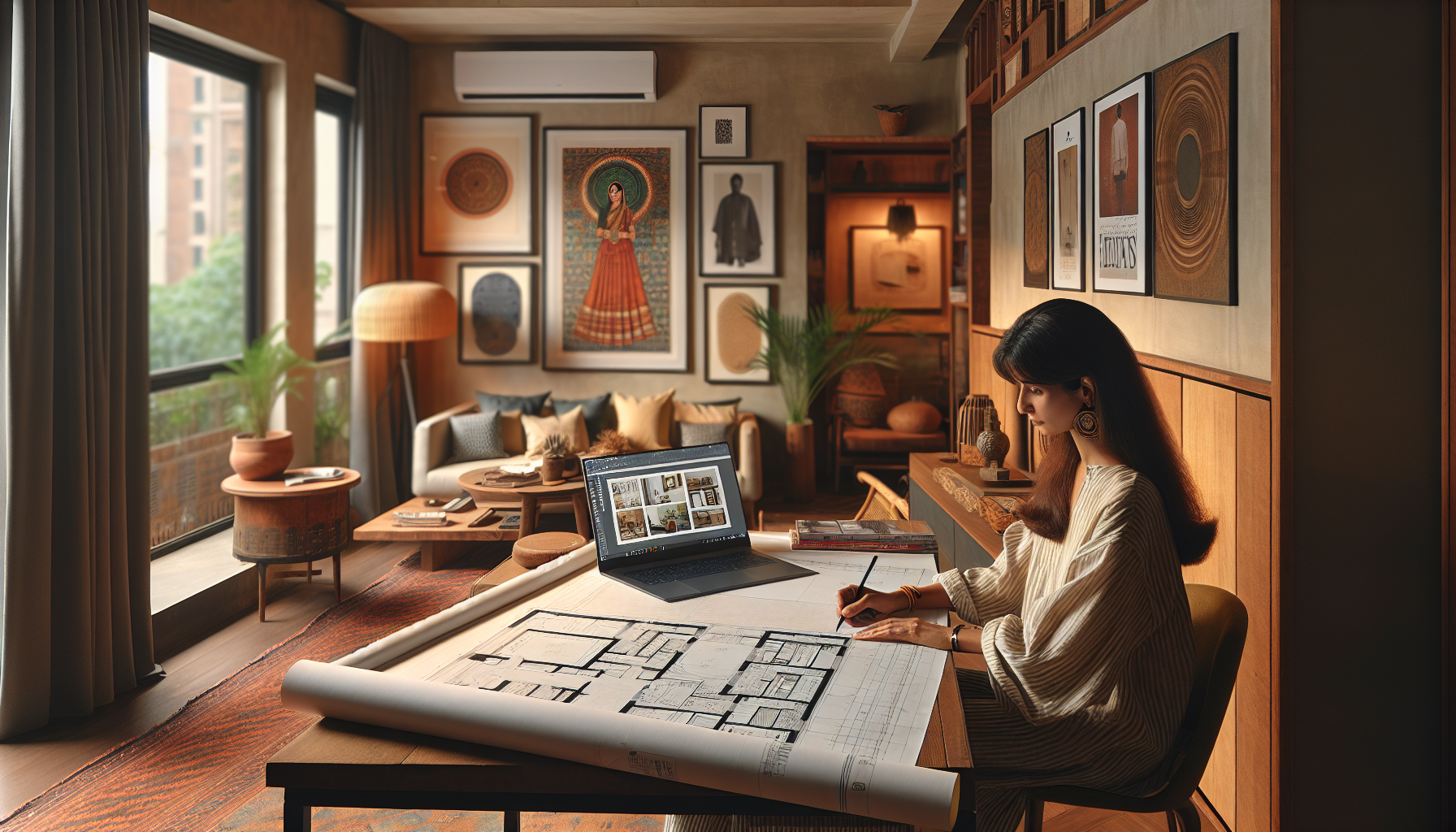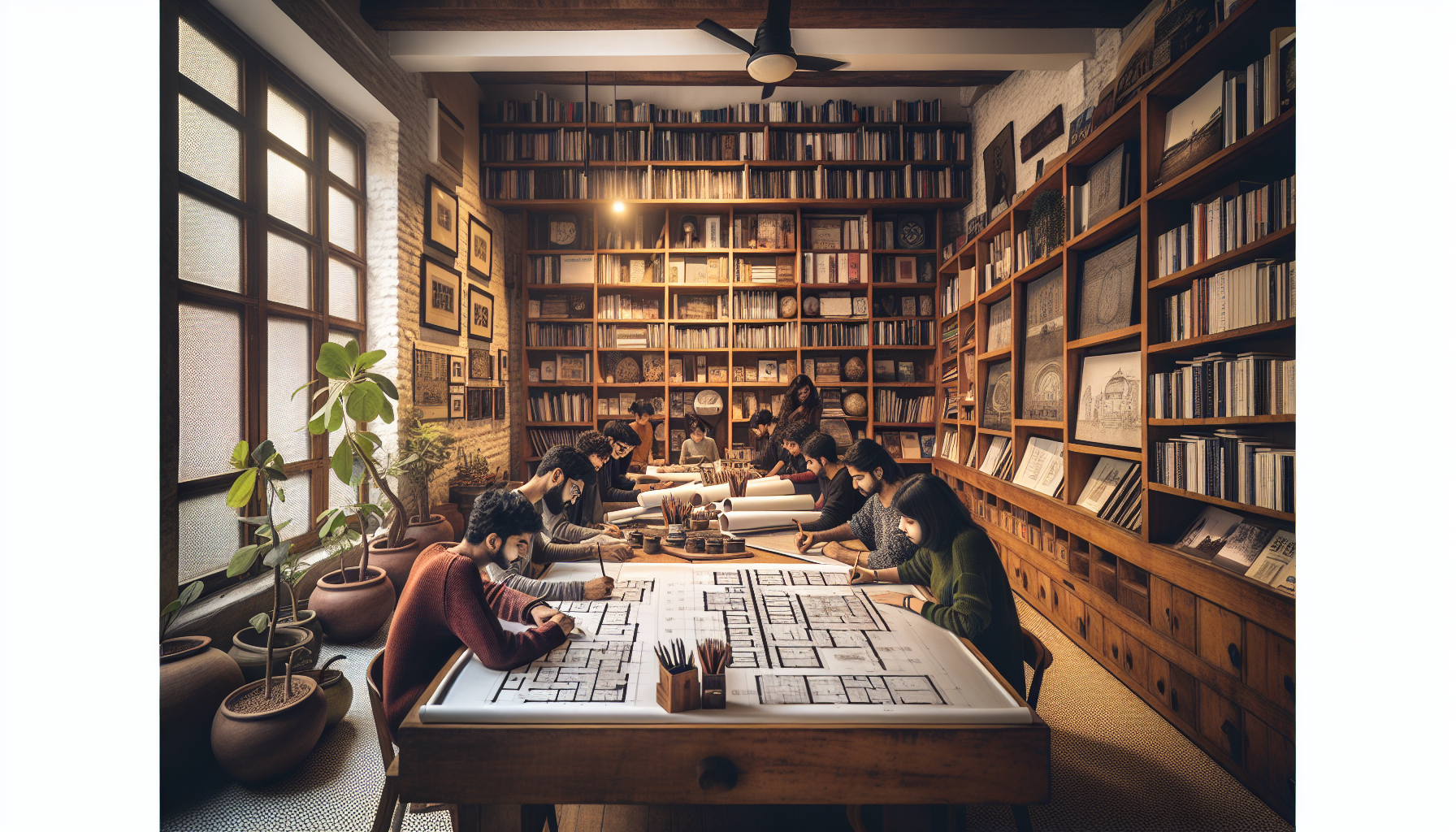
In the bustling lanes of Delhi's Hauz Khas Village, amidst an eclectic mix of cafes and art galleries, lies a small, cozy bookstore that seems to whisper stories from its shelves. Inside, a group of architecture students gathers around a large, worn table. Their focus is not on the sleek screens of laptops or tablets, but rather on the sheets of paper sprawled across the table. Pencils in hand, they meticulously draft lines, curves, and shapes, each stroke deliberate and thoughtful. The room is filled with the soft, rhythmic scratch of graphite on paper, a sound both soothing and full of promise. They exchange tips, share tools, and occasionally, someone will lift a sheet to admire a particularly elegant line. In this age of digital everything, why do these students still swear by hand drafting? It’s a question with roots as deep as the foundations of a Mughal monument.
The Timeless Joy of Pencil on Paper
There's something deeply satisfying about the tactile nature of hand drafting. The feel of a pencil gliding over paper, the control it offers, and the ability to erase and redraw at will is akin to sculpting with lines. In the crowded lanes of Mumbai's Kalbadevi, where stationery stores brim with tools for the trade, students still seek the perfect set of Staedtler pencils. A set might cost around ₹600 and can last an entire semester. The tactile feedback of pencil on paper offers an intimate connection with the design process. It slows you down, but in a good way. Like a leisurely walk in the lanes of old Jaipur, where you notice the intricate jharokhas and jaali work, hand drafting allows you to notice details and think through each element. This tactile experience is something digital tools can't replicate.
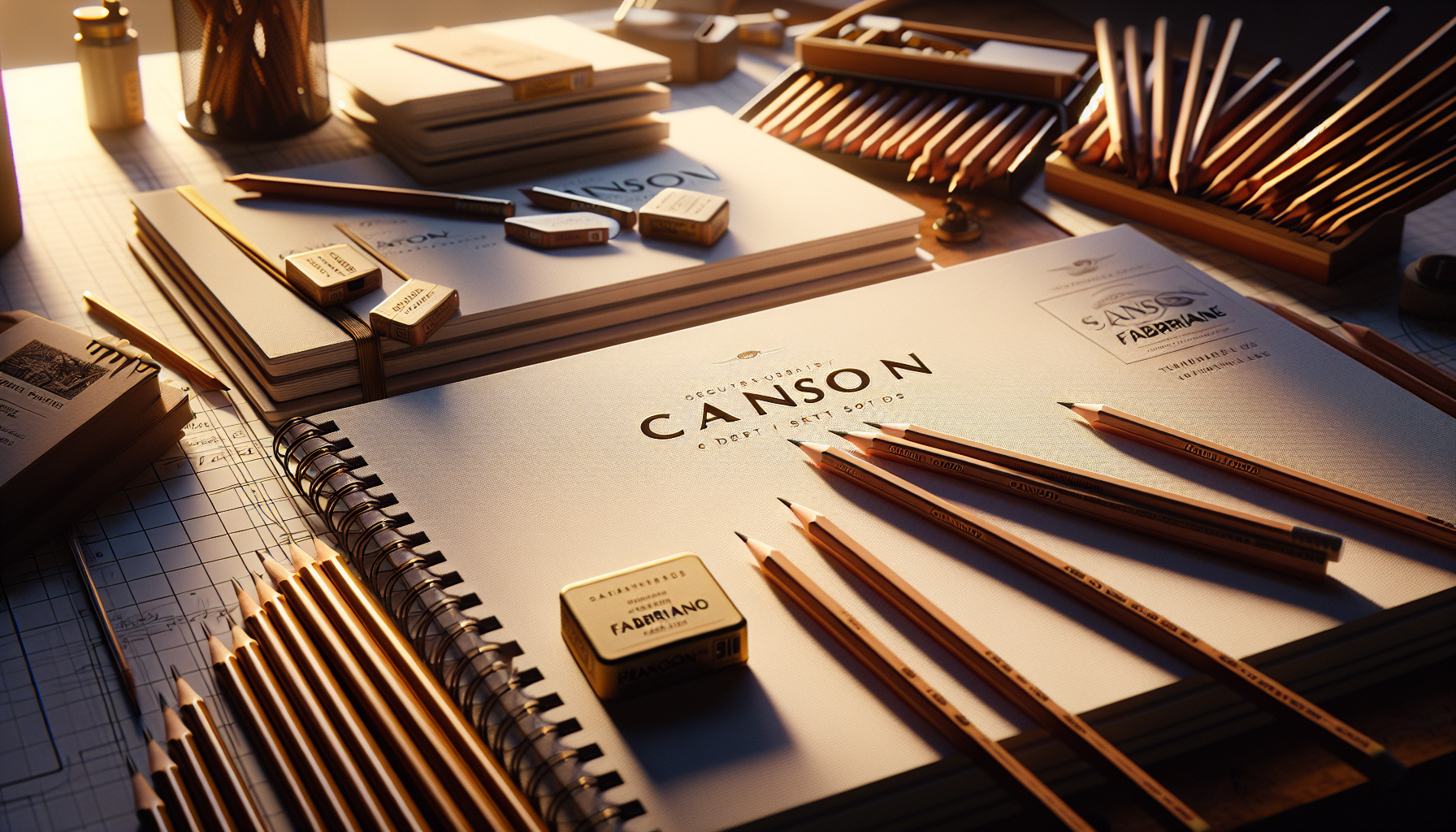
For those looking to start, investing in quality paper is crucial. Brands like Canson and Fabriano offer sketch pads starting at ₹350, providing a smooth surface that enhances the drafting experience. The texture of the paper can influence the outcome of the drawing, making it a worthwhile investment for any aspiring architect.

Building Fundamental Skills
At institutions like CEPT Ahmedabad, where architecture is revered as both an art and a science, students are encouraged to start with hand drafting. This practice is not just about tradition; it builds a strong foundation. When you draw manually, you learn to visualize space and form better. It’s like learning to cook from scratch instead of relying on ready-made mixes. You understand the ingredients and how they come together to create something delicious.
Moreover, hand drafting teaches precision and patience. A single error means starting over, instilling a lesson in resilience and attention to detail. Those who master it find that their digital work improves too. The precision required in hand drafting translates to cleaner, more thoughtful digital designs.
Quick Tip: Invest in a good quality T-square. Brands like Rotring offer reliable options around ₹1,500. A worthwhile investment for crisp, straight lines. For those seeking a more comprehensive toolkit, consider a set that includes a compass and set squares, available from brands like Staedtler for around ₹2,000. These tools are essential for creating accurate and professional drawings.
Cultivating Creativity and Originality
Hand drafting fosters creativity in ways that digital tools often cannot. In the vibrant art scene of Kolkata, where inspiration is as abundant as the city's famous kathi rolls, students often use hand drafting to explore unique design ideas. The tactile process encourages experimentation. A smudged line can turn into a new pattern, a mistake into a feature. This organic evolution is something digital tools often lack.
There's also a sense of originality in hand-drafted work. In a world where software can generate a thousand iterations at the click of a button, a hand-drafted piece stands out. It reflects the personality, mood, and thoughts of the creator. It’s like comparing a handwoven Kanjeevaram sari to a machine-made one. The former has soul.
For those looking to enhance their creativity, attending workshops or art classes can be beneficial. Many cities offer short courses on sketching and design, such as those at the National Institute of Design in Ahmedabad, with fees starting around ₹5,000 for a weekend workshop. These sessions provide an opportunity to learn from experienced artists and gain new insights into the creative process.
Bridging Tradition and Modernity
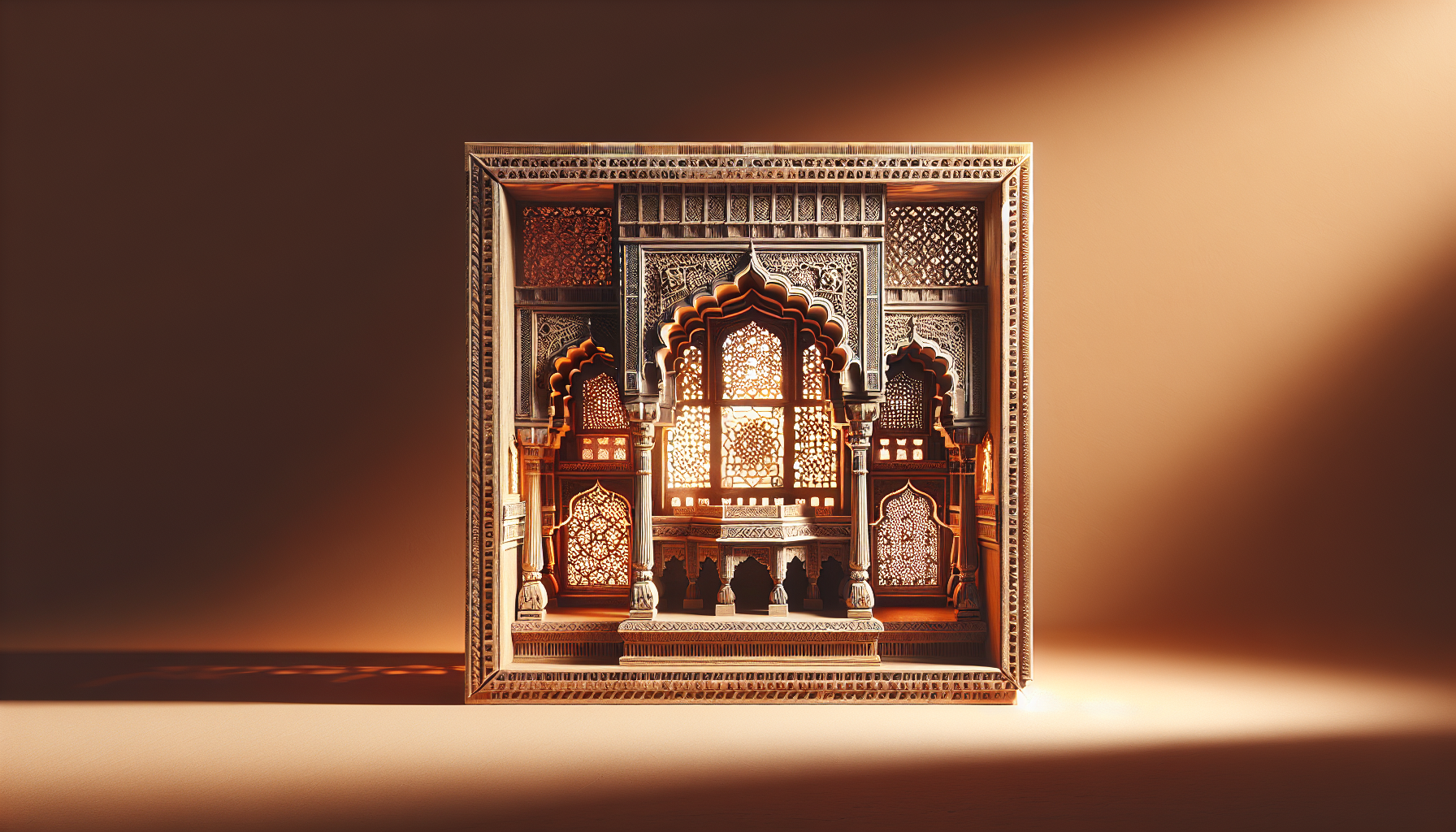
Hand drafting is not about shunning technology; it's about integrating the old with the new. In the tech-savvy city of Bengaluru, known for its startup culture, students often start a project on paper before moving to software like AutoCAD or SketchUp. It’s a blend that respects tradition while embracing modernity. This approach also mirrors Indian architecture itself. Think of a Goan Portuguese house. It combines colonial influences with local materials and techniques. Similarly, hand drafting lays the groundwork, while digital tools build upon it, adding layers of complexity and precision.
For architects looking to seamlessly blend these approaches, investing in software that complements hand drafting is key. Programs like Rhino or Revit, priced around ₹50,000 for a professional license, offer advanced features that can enhance the precision and detail of hand-drafted designs. Many students find that starting with a hand-drawn concept allows for greater creativity, which can then be refined and detailed using digital tools.
Creating a Personal Design Aesthetic
Hand drafting helps students develop a personal style, a unique fingerprint in their design work. In the design studios of Pune, where creativity flows as freely as the city's famous misal pav, students often showcase portfolios filled with hand-drawn sketches. These sketches reveal an artist’s unique touch, something that can get lost in the uniformity of digital designs.
A personal style is crucial in standing out. Imagine a plain IKEA shelf. Add three Bidri ware boxes and a potted money plant, and suddenly, it's a conversation starter. Similarly, a hand-drafted portfolio can make an architect's work memorable. It’s this personal touch that clients often appreciate and remember.
For those looking to refine their personal aesthetic, visiting design exhibitions and museums can be incredibly inspiring. Events like the India Design ID in Delhi, with entry tickets priced at ₹1,500, showcase a wide range of styles and innovations, providing a wealth of ideas and inspiration for budding architects.
Final Thoughts
Hand drafting is more than just a skill; it's a tradition, an art form, and a rite of passage for architecture students across India. It’s a way to connect with the past while crafting the future. If you've never tried your hand at it, why not start this weekend? Head to your local stationery store, pick up a set of pencils, a T-square, and some quality paper. Spend an afternoon sketching — whether it’s your dream home or a simple chair design. Feel the joy of creation, one line at a time.
For those eager to dive deeper, consider joining a community of like-minded individuals. Online forums and local meet-ups offer a platform to share ideas, critique each other's work, and grow together. Websites like Architizer and platforms like Meetup host events and discussions, often free of charge, where you can connect with fellow enthusiasts and professionals. Engaging with a community not only enhances your skills but also provides valuable networking opportunities in the field of architecture.